
01 · A planting season
Plant the system that outlives the project
Perennials and a guild design turn acreage into calories without turning you into a full-time farmer. Add animals once the water is solved.
Start My First Guide →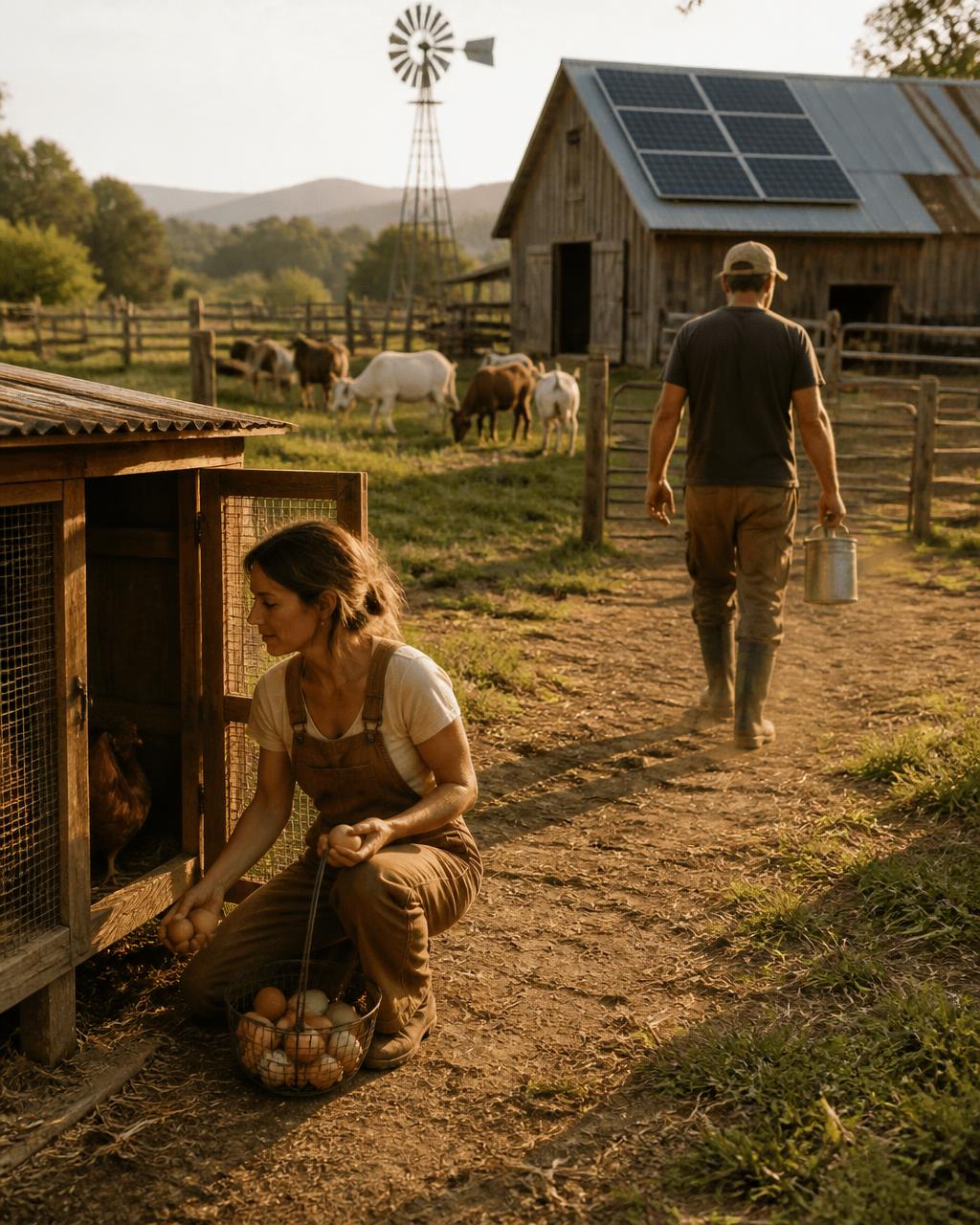
Concept image · not a photo of Joshua, Wild Mountain Farm or a customer
Rural · Acreage & off-grid
A land-first path through soil, water and energy infrastructure, with guides for acreage and seasonal upkeep.
Show My First ProjectsStart here
01 · A planting season
Perennials and a guild design turn acreage into calories without turning you into a full-time farmer. Add animals once the water is solved.
Start My First Guide →02 · A weekend
Fill storage during the day, pressurize from the tank. It halves pump energy and gives you days of buffer when the sun disappears.
Start My First Guide →03 · One week of logging
A week of real numbers off a meter beats any calculator. It tells you the array size, the surge your inverter has to survive and which loads belong on a daytime schedule.
Start My First Guide →Observe access, slope and soil before choosing where to plant or build.
Read My Land →Map source, storage, dry-season demand and safe overflow.
Read My Water →Log loads and pump surges, then size energy for your lowest-sun month.
Read My Energy →Bring shelter, heat and maintenance into the same whole-place plan.
Read My Home →Read local soil, seasons and water context before laying out infrastructure.
Your street address stays out of seasonal email segmentation.
Your address carries between reads on this device. Public-data lookups may be cached; account saving and sharing are separate choices.
Start learning
0/5 steps done
Start here
Energy
One week of logging
A week of real numbers off a meter beats any calculator. It tells you the array size, the surge your inverter has to survive and which loads belong on a daytime schedule.
The rural learning path
Work down the stages. Tick a step when it is done — your place is saved on this device, so you can come back to the next move without hunting for it.
0 of 5 steps
0%
Get the one number the rest of the plan hangs on.
0/1 done
Energy
One week of logging
A week of real numbers off a meter beats any calculator. It tells you the array size, the surge your inverter has to survive and which loads belong on a daytime schedule.
Understand the trade-offs before you spend a dollar.
0/1 done
Energy
An evening of math
Compare usable storage, essential loads and a chosen outage duration. Check winter operating limits and local equipment and fuel costs before comparing batteries with a generator.
Install the systems in the order that saves money.
0/2 done
Water
A weekend
Fill storage during the day, pressurize from the tank. It halves pump energy and gives you days of buffer when the sun disappears.
Land & Food
A planting season
Perennials and a guild design turn acreage into calories without turning you into a full-time farmer. Add animals once the water is solved.
Seasonal habits that protect what you built.
0/1 done
Home
A weekend each autumn
Exclusion, a clean-burning heat plan and a seasonal check on every system keeps a good build from quietly degrading over five years.
A little further in
Your zone, frost and rainfall can change your first move.
Explore this trailCheck your soil moisture and note where rain collects.
Explore this trailA planning estimate, with the assumptions shown.
Assumes 85% collection efficiency; storage and use not included.
Roof → rain → tank → beds: your systems support each other.
Explore this trailSoil survey and drainage
Explore this trailHow Many Chickens for a Family of 4 — Real Egg Math
Explore this trail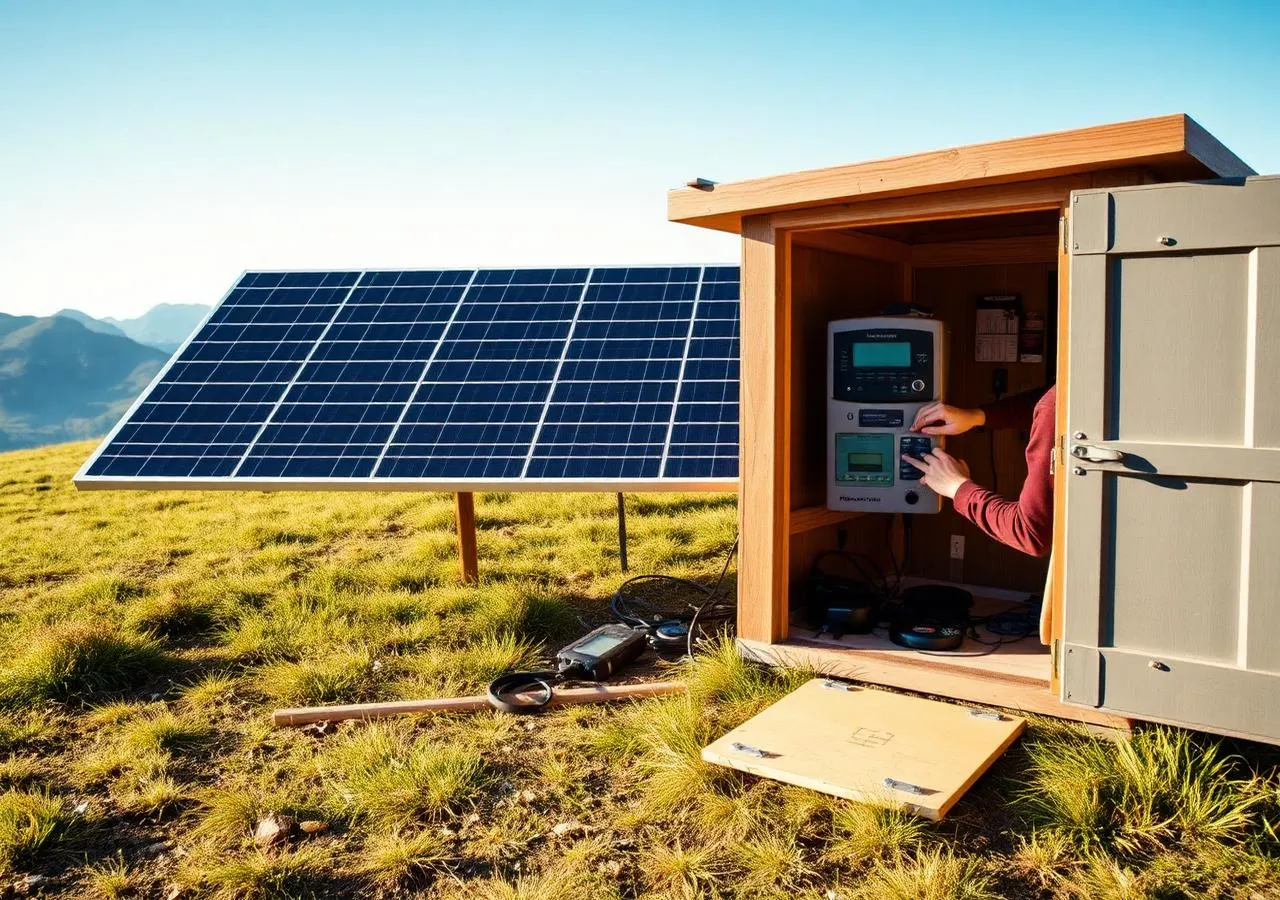
EnergySolar PV
How to Size an Off-Grid Solar Array From Real Load Data
Skip the rules of thumb. Meter your loads for 30 days, size for your worst solar month, and build an off-grid array that carries the house through January.
12 minIntermediate
EnergySolar PV
LiFePO4 vs Lead-Acid Batteries: Lifetime Cost Comparison
Compare cost per usable kWh, manufacturer cycle-life specifications, cold-weather limits and maintenance needs for lead-acid and LiFePO4.
9 minIntermediate
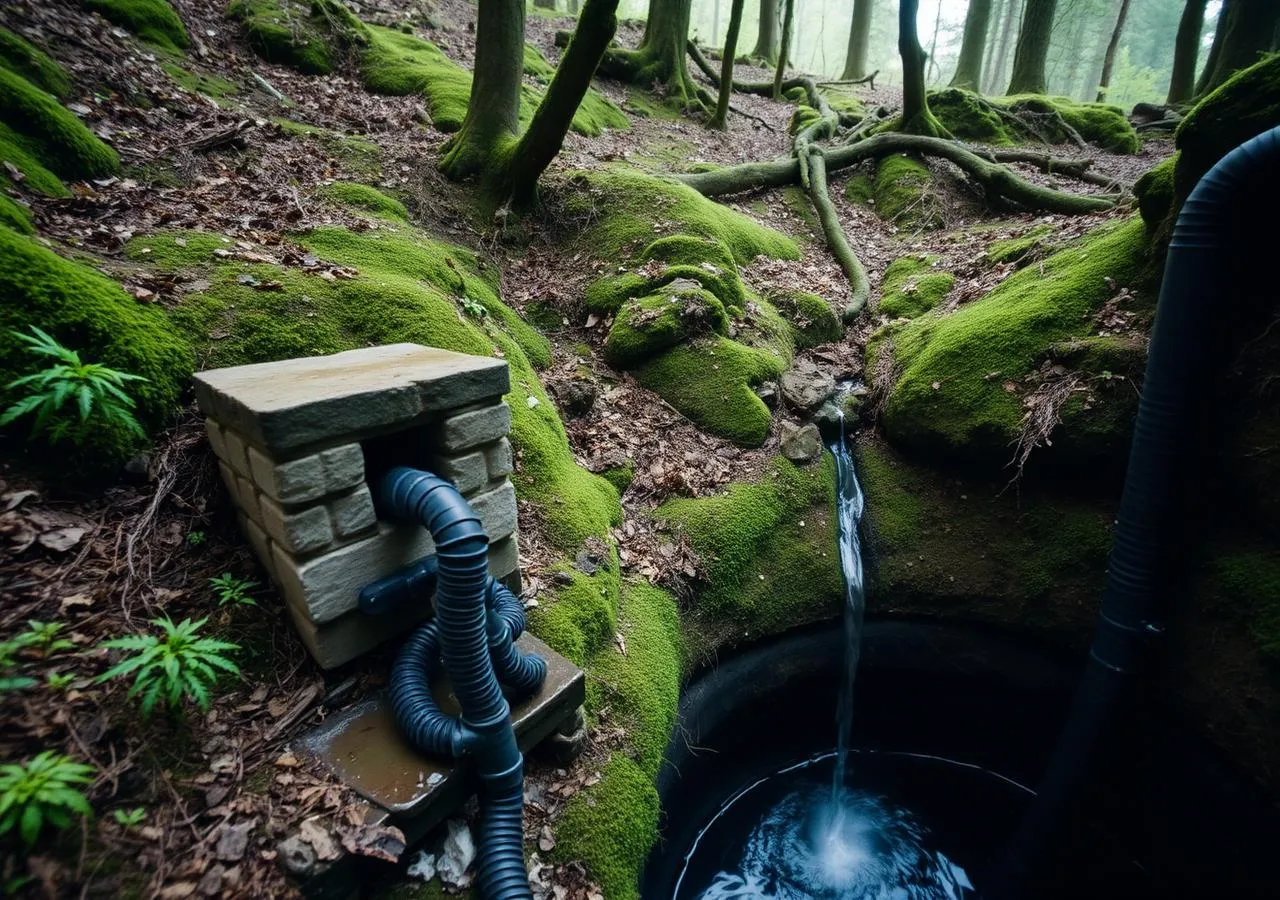
WaterSolar Well Pumps
How to Size a Solar Well Pump for a 300-Foot Well
Calculate total dynamic head, choose between helical rotor and centrifugal pumps, size the solar array and design storage for a deep off-grid well.
11 minIntermediate
WaterSpring Water Systems
How to Develop a Spring for Gravity-Fed Homestead Water
Locate a spring, excavate to the vein, build a spring box, calculate head pressure and bury the line — a complete gravity-fed water system with no pump.
15 minAdvanced
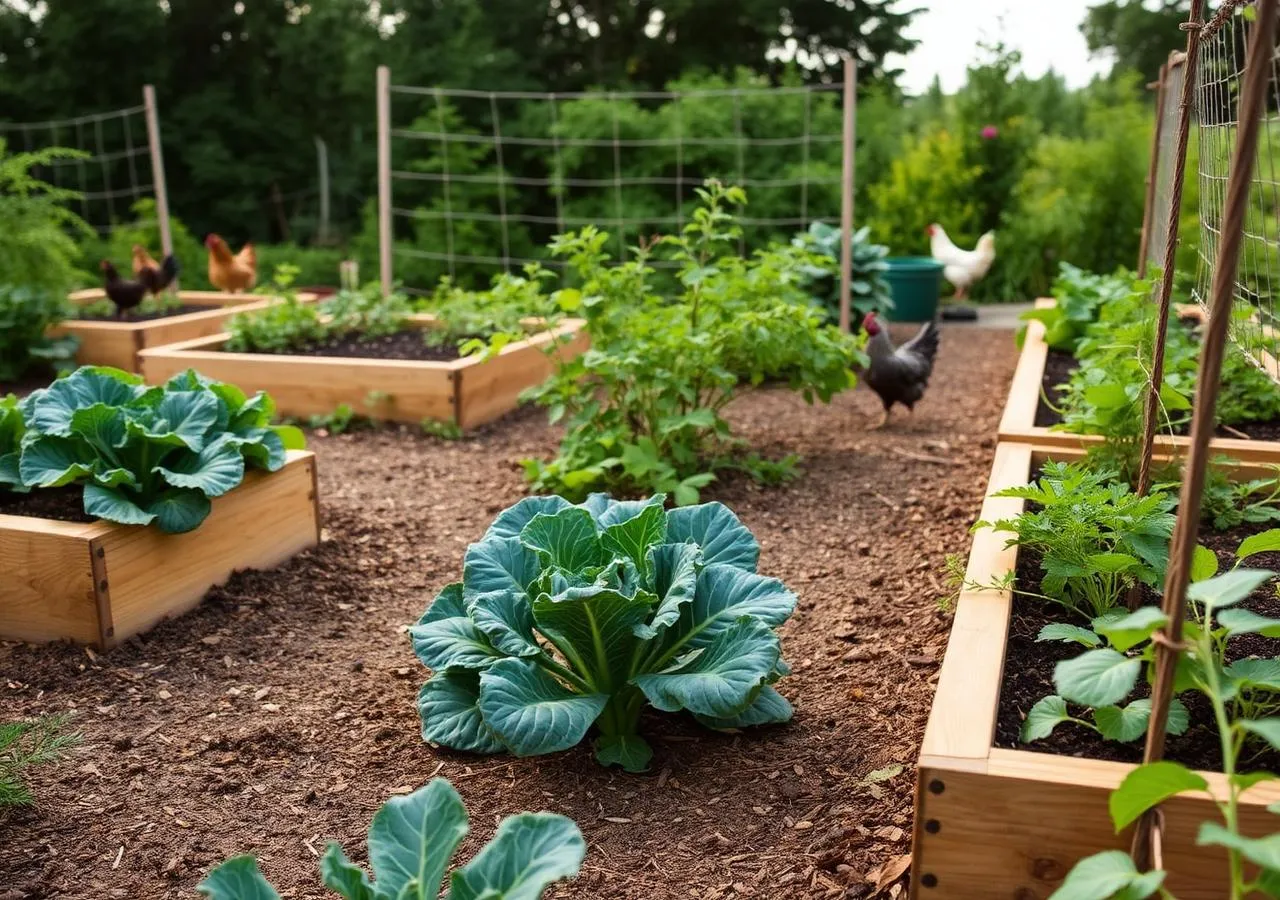
Land & FoodFood Forests
Seven-Layer Food Forest Guild Design for Small Lots
Design a productive food forest guild on 30 feet: canopy, understory, shrub, herb, ground cover, root and vine layers, with a planting sequence for early yields.
13 minIntermediate
Land & FoodBackyard Chickens
Winter Chicken Care Without Heat Lamps: Ventilation and Deep Litter
Ventilation above roost height, deep litter management, water strategies and predator hardware for keeping a backyard flock healthy through a hard winter.
9 minBeginner
Check fit, availability and shipping by email. No charge today.
Energy
Eight 415W panels, a 60A MPPT controller, 5 kWh of LiFePO4 storage and a 3 kW inverter — a component set to compare with your measured loads and required surge capacity.
$4,890
Water
Spring box, screened intake, overflow assembly and 300 ft of buried-rated line for a true gravity system.
$1,245
Land & Food
A seven-layer planting guild: two fruit trees, nitrogen fixers, berry canes, herbs and ground cover with a planting map.
$534
Energy
Two evacuated tube collectors, an 80-gallon exchange tank and the drain-back controls for freezing climates.
$3,260
Planned courses · join the waitlist, no charge today.
Intermediate · 34 lessons
Size, spec and wire a system that carries a household through the worst month of the year.
$249
Beginner · 28 lessons
Design and plant a seven-layer perennial food system on a quarter acre or less.
$179
Advanced · 22 lessons
Develop a spring and deliver pressurized water to a homestead with no pump and no power.
$199
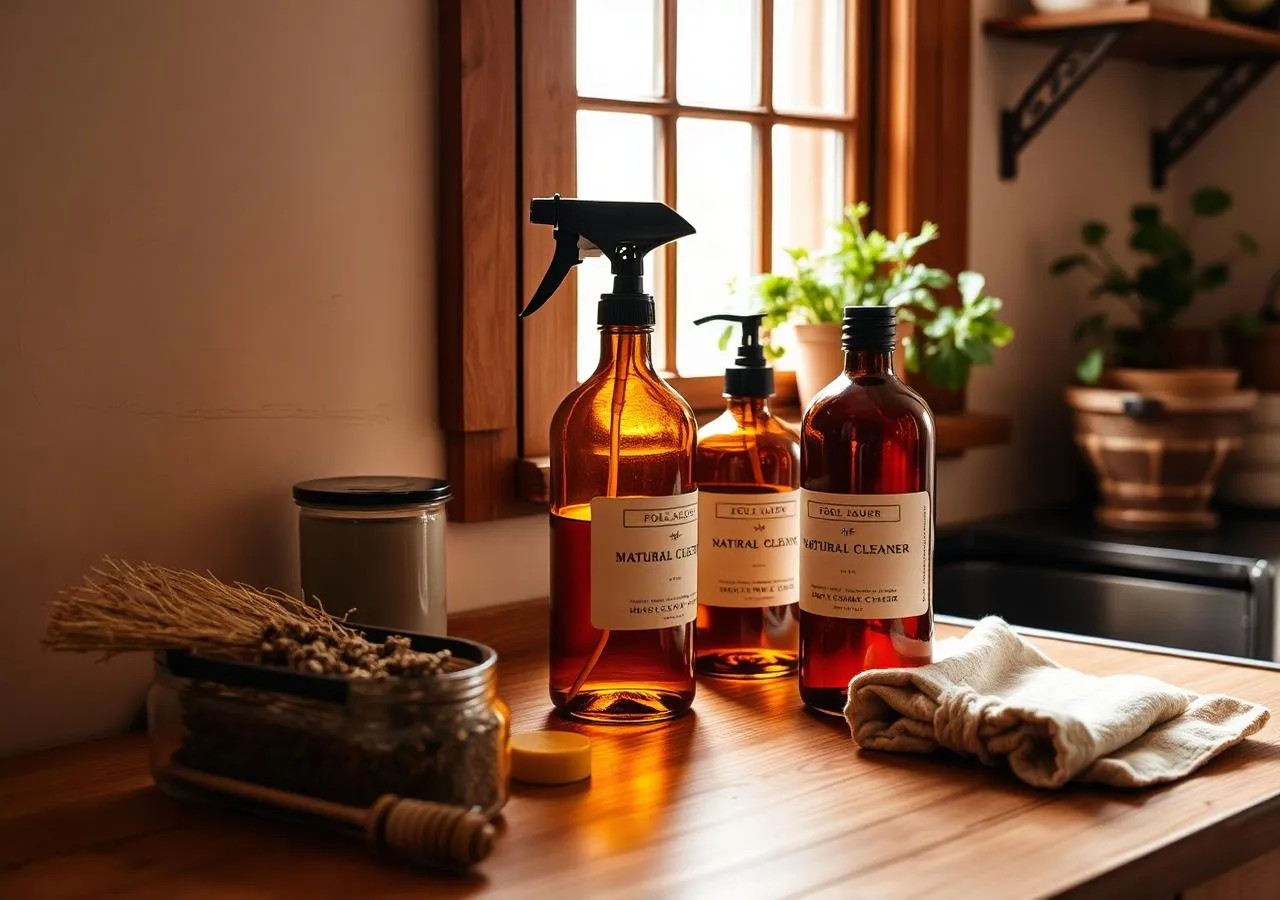
Beginner · 19 lessons
Replace the cleaning cabinet, shut out pests and green the first ten feet around your house.
$119
Water, then power, then shelter systems, then food. A week of load logging and a water plan cost almost nothing and stop you from oversizing an array or drilling a well in the wrong place.
Anything from two acres up. The sequencing is the same at five acres and fifty — only the storage volumes and the guild size change.
Your next trail
Free newsletter
Seasonal ideas, practical methods and discoveries for your living system — from windowsill to acreage.
Free · Seasonal ideas · Unsubscribe in one click