
Skip to content
In progress · You can explore this page. Some readings and saved workflows are still being checked; payments remain off.
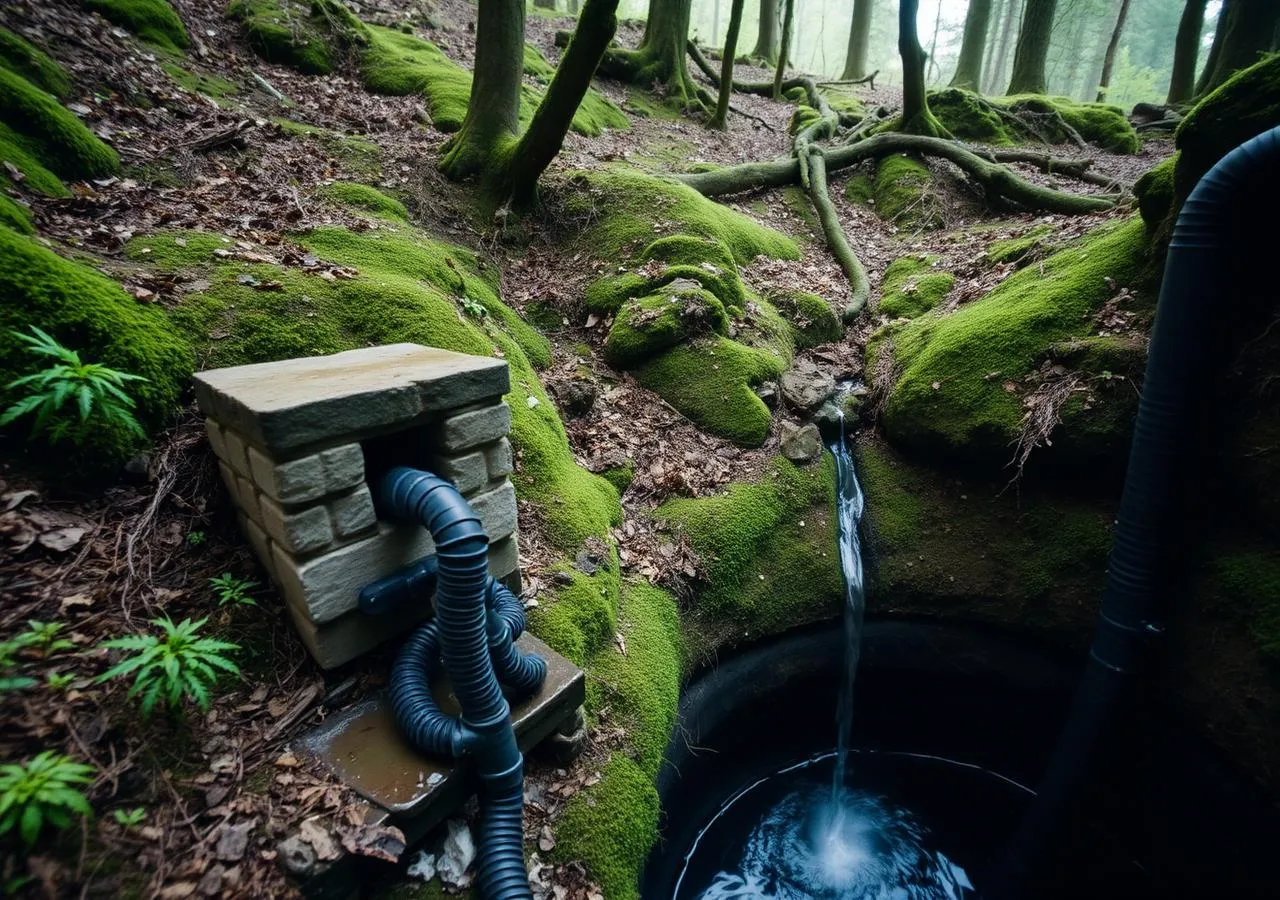
Stone spring box in a mossy forest hollow feeding a buried water line

Concept image · not a photo of Joshua, Wild Mountain Farm or a customer

Course outline

Gravity Water Systems: Pressure Without a Pump

Explore the course outline and learning goals for your next project; join the waitlist for enrollment updates.

Explore my curriculum
Urban · Suburban · Rural

Advanced · 22 lessons · 6 hours

Explore gravity-fed water where dependable flow and elevation allow it.

Develop a spring and deliver pressurized water to a homestead with no pump and no power.

Sound familiar?

  • Your water stops the second the power does.
  • You have a spring or seep uphill and no idea how to use it.
  • You want to compare gravity and pumped-water options.

Learn to verify a spring, calculate elevation pressure and design collection and delivery. No filmed second-spring case study is promised.

The method

The Fall-and-Flow Method

  1. 1

    Prove the source before you dig

    Flow test across a wet and dry season so you build for the driest week, not the wettest.

  2. 2

    Turn elevation into pressure

    Every 2.31 feet of fall is a psi — the course shows how to measure and bank it.

  3. 3

    Protect it so it stays clean

    Spring box, screening, sediment and UV, in the order that actually matters.

What you'll walk away able to do

  • Locate and flow-test a spring across a full dry season
  • Plan a protected spring box with inspection and maintenance needs
  • Calculate head pressure and friction loss for your pipe run
  • Design freeze protection that works below zero
  • Test, treat and legally document your source

Curriculum

  1. Module 1

    Finding water

    • Reading the landscape
    • Dry-season flow testing
    • Water rights and permits
  2. Module 2

    Capture

    • Excavating to the vein
    • Spring box construction
    • Screens, overflow and cleanouts
  3. Module 3

    Delivery

    • Head pressure math
    • Pipe sizing and friction loss
    • Trenching and burial depth
    • Pressure tanks vs open storage
  4. Module 4

    Protection

    • Freeze strategies
    • Filtration and UV
    • Annual testing schedule

What’s included

  • 7 video modules, 5.5 hours
  • Flow test and elevation worksheet
  • Spring box construction plans
  • Pipe sizing and friction loss tables
  • Freeze protection guide
  • Planned course materials
Listed price$199

Questions before you enroll

What if I don't have a spring?
Two modules cover rainwater catchment and cistern-based gravity systems using the same math.
Is this legal where I live?
Water rights vary. A module walks you through checking your state and county before you build.

Start small, stay honest

What’s different in 30 days

Keep notes on what you observe; a waitlist does not grant course access or a launch date.

The effort it takes

Begin with a small observation session, not a purchase or installation.

Who it’s not for

Not for immediate enrollment; courses remain coming, with no promised release date.

No outcome range is estimated without your sizes, loads, chosen moves and confirmed scope. Reservations take no payment and do not grant access.

A little further in

Discover along the way

The ground beneath your plans

Your zone, frost and rainfall can change your first move.

Explore this trail
A small task for this week

Check your soil moisture and note where rain collects.

Explore this trail

A quick roof-water read

A planning estimate, with the assumptions shown.

530 gal per inch of rain

Assumes 85% collection efficiency; storage and use not included.

Explore this trail

One roof, more than one harvest

Roof → rain → tank → beds: your systems support each other.

RoofRainTankBedsExplore this trail

Something worth a closer look

Rainwater Harvesting: What Your Roof Actually Yields

Explore this trail

Your next trail

See what WaterIQ finds at your place

Get My WaterIQ