
Skip to content
Water systems at work

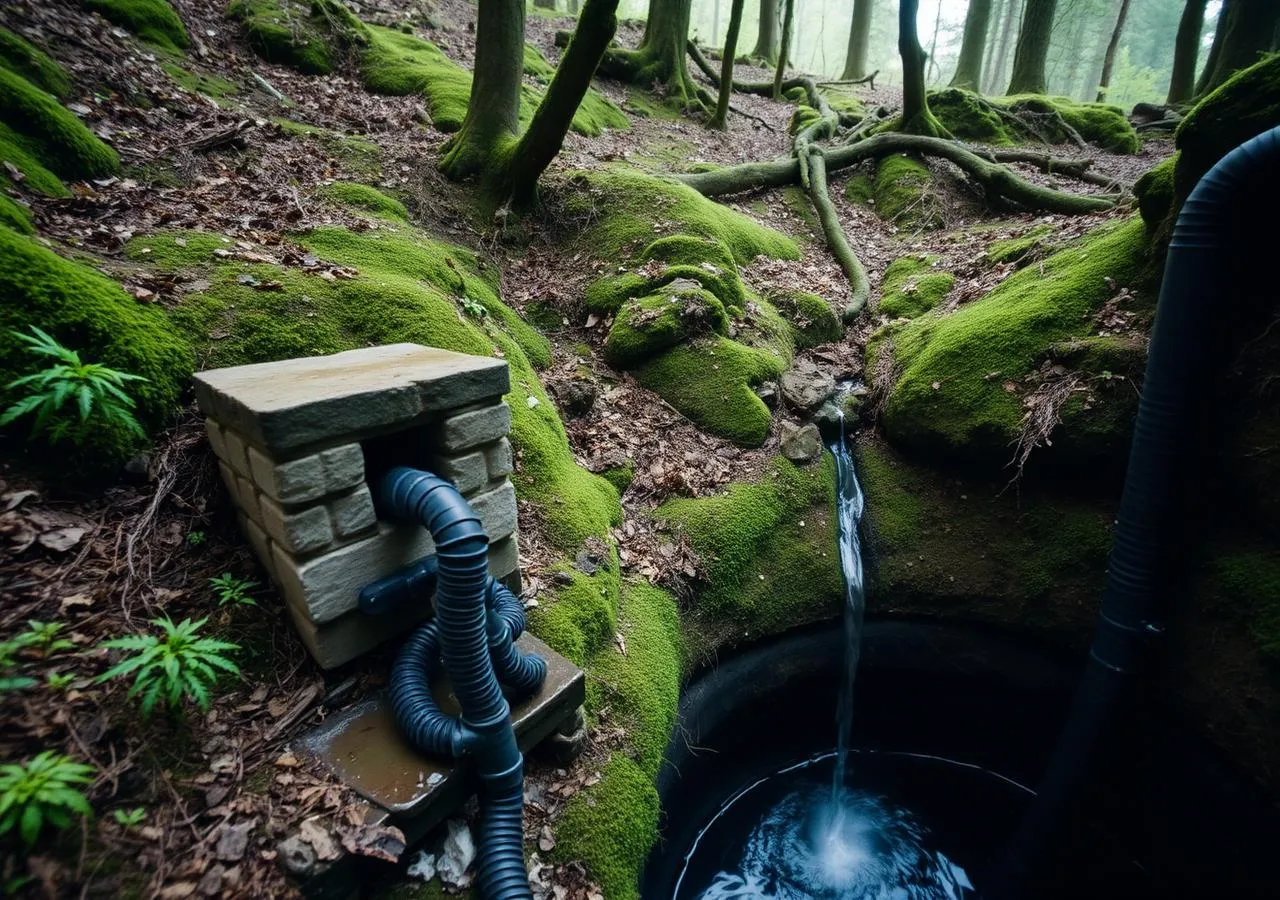
Concept image · not a photo of Joshua, Wild Mountain Farm or a customer

Water Security

Water

Water you can plan for, from rainfall to storage and everyday care.

Get My WaterIQ

One address. Your next beginning.

Read your place, then choose a first move.

Your address carries between reads on this device. Public-data lookups may be cached; account saving and sharing are separate choices.

Urban · Suburban · Rural

What this element can give a home

Water Security

Springs, solar well pumps, rainwater capture, emergency storage and irrigation designed to run without a single watt of utility power. Pressure math, pipe sizing and the freeze details that only surface in year two.

Get My WaterIQ

Begin with a useful guide

Rainwater harvesting, solar well pumps and emergency water storage that work without the grid

Water security is a redundancy problem, not a gadget problem. Rainwater harvesting is usually the cheapest second source you can add: these guides show what a roof actually yields per inch of rain, how to size storage for your climate, and how to keep the water clean enough for the use you intend.

For a well, compare pump curves with total dynamic head, flow demand and available sunlight. Gravity-fed sources need dependable seasonal flow and adequate elevation after pipe losses. Confirm with a local survey, perc test and permits before site work.

Ready.gov recommends at least one gallon per person per day for drinking and sanitation, with extra for your needs. Model garden and livestock demand separately. Irrigation pressure must match the actual emitters and pipe losses.

Read My HomeIQ · Read My LandIQ

Every water guide

Filter by where you live

Kit requests & course waitlists

Questions worth asking

How much fall do I need for a gravity water system?

Every vertical foot gives you 0.433 psi. For 40 psi at the house you want at least 100 feet of fall from the spring box, then subtract friction loss for the pipe run.

Can a solar pump lift water from a 300-foot well?

Some pumps support that lift. Confirm the manufacturer pump curve, total dynamic head, desired flow and available sunlight; depth alone does not establish pump or array sizing.

How much emergency water should I store?

Ready.gov recommends at least one gallon per person per day for drinking and sanitation. Four people for fourteen days need at least 56 gallons at that rate; add your actual hygiene, garden and livestock demand. Follow storage and treatment guidance; rainwater is not assumed drinkable.

Start with your water read

Get My WaterIQ

Free newsletter

TheOASISDispatch

Seasonal ideas, practical methods and discoveries for your living system — from windowsill to acreage.

  • Practical methods, with assumptions you can check
  • Seasonal ideas for your next project
  • Sized for your place: balcony, yard or acreage
Where are you growing?

Pick one so the dispatch matches your space.

Free · Seasonal ideas · Unsubscribe in one click