Rainwater Harvesting
Rainwater Harvesting: What Your Roof Actually Yields
One inch of rain on 1,000 square feet is 623 gallons. Here is how to turn that into a tank size, a first-flush setup and water you would drink.
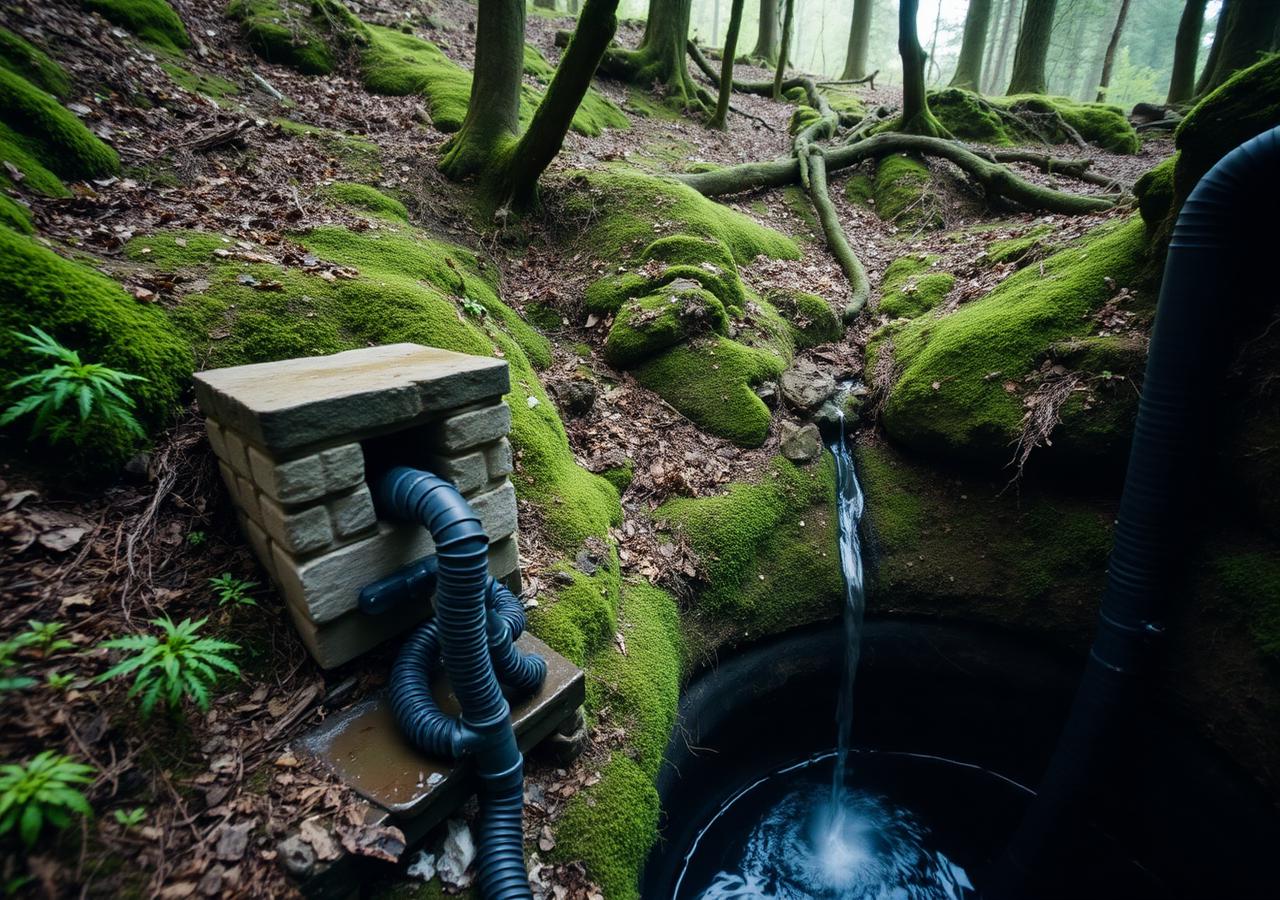
Most people badly underestimate their roof. A modest 1,200 square foot catchment in a 42-inch rainfall year sheds about 31,000 gallons — far more than a household garden and emergency supply needs.
The constraint is never annual rainfall. It is the longest dry gap, and that is what your tank size has to cover.
Materials
- Metal or tile roof catchment
- Gutters and leaf screens
- First-flush diverter
- Food-grade storage tanks
- Overflow piping to a swale or drain
- Sediment and carbon filtration (for potable use)
Tools
- Level
- Hole saw
- PVC cement
- Tape measure
- Tank level gauge
Estimated cost: $0.60–$1.40 per gallon of storage. Difficulty: Intermediate.
1.Calculate real yield
Gallons = roof square feet × rainfall inches × 0.623 × efficiency. Use 0.85 efficiency for metal and 0.75 for asphalt shingle. Our 1,400 sq ft metal roof yields about 742 gallons per inch of rain.
2.Size against the dry gap, not the annual total
Pull 20 years of local monthly rainfall and find the longest stretch below half an inch. Ours is 34 days in late summer. Daily use × dry-gap days = minimum storage. For 60 gallons a day of garden and household backup use, that is 2,040 gallons.
3.Build the first flush
The first 10 gallons off the roof carries the dust, pollen and bird droppings. A vertical standpipe that fills and self-drains between storms removes almost all of it, and costs about $40 in PVC.
4.Keep light and insects out
Opaque tanks, screened inlets and a sealed overflow. Every algae and mosquito problem we have troubleshot traced back to one of those three being open.
5.Match treatment to the use
Garden and livestock need screening and settling only. Household non-potable adds sediment filtration. Drinking water adds 5-micron sediment, carbon block and UV or a certified gravity filter — and a lab test twice a year.
Common questions
- How much rainwater can I collect from my roof?
- Multiply roof square footage by rainfall inches by 0.623, then by about 0.85 for a metal roof. A 1,400 sq ft metal roof yields roughly 742 gallons per inch of rain.
- What size rainwater tank do I need?
- Size for your longest dry gap, not annual rainfall. Multiply daily use by the number of days in your typical dry stretch — 60 gallons a day across a 34-day gap needs about 2,000 gallons of storage.
- Is harvested rainwater safe to drink?
- Only after treatment. A first-flush diverter, 5-micron sediment filter, carbon block and UV or a certified gravity filter make it potable, and you should lab-test twice a year.
- Do I need a pump for rainwater irrigation?
- Not if the tank sits above the beds. Every 2.3 feet of elevation produces 1 psi, and low-pressure drip emitters run happily on 4–10 psi of gravity head.

Written by
Ellis Hartwell
Twelve years building and rebuilding systems on 28 mountainside acres. Everything published here has run on this property or been documented on site with the owners.
Related guides
Water SecurityIrrigation
Gravity Drip Irrigation That Actually Runs at 4 PSI
Gravity-Fed Drip Irrigation Design for Low Pressure
8 minBeginner
Water SecuritySolar Well Pumps
Sizing a Solar Well Pump for a 300-Foot Well
How to Size a Solar Well Pump for a 300-Foot Well
11 minIntermediate
Water SecuritySpring Water Systems
Developing a Mountain Spring for Gravity-Fed Water
How to Develop a Spring for Gravity-Fed Homestead Water
15 minAdvanced
The newsletter
Get the Homestead Dispatch
One letter every other Sunday: what we built this week on the mountain, what failed, and the numbers behind it. No fluff, no sponsored filler.