Solar PV
Is Solar Still Worth It in 2026? The Honest Post-Tax-Credit Math
The 30% federal credit is gone for most homeowners. Here is the payback math we ran on three real quotes, and the DIY paths that recover what the credit used to cover.
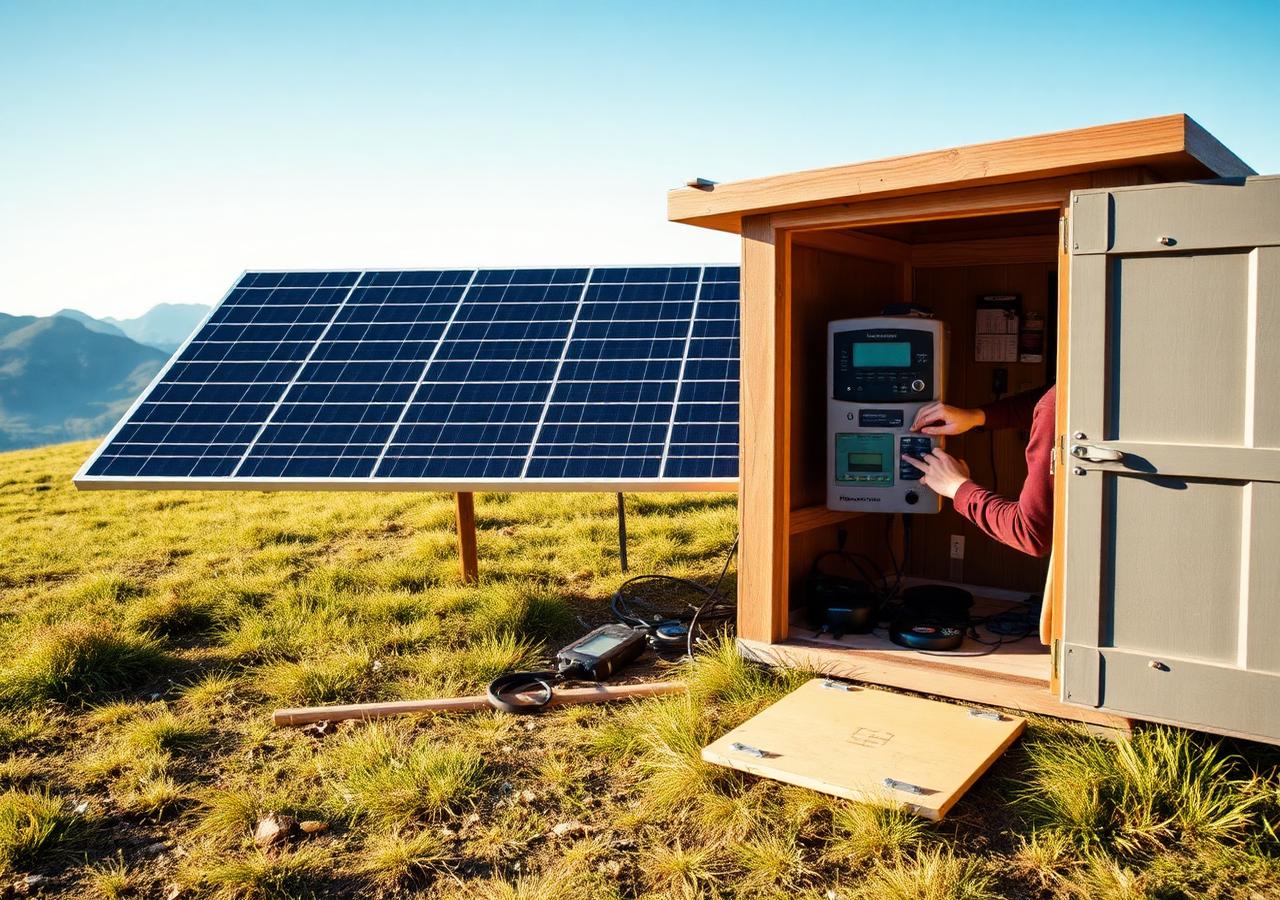
You have probably been told solar died with the tax credit. The honest answer is narrower: full-price turnkey installs got hard to justify in cheap-power states, and everything else still pencils out — sometimes better than it did in 2024, because equipment prices fell faster than the credit did.
Below is the same worksheet we walk neighbors through. Bring your last twelve electric bills and one contractor quote, and you will know in about two hours whether your roof pays you or costs you.
Materials
- Twelve months of electric bills
- One or more written installer quotes
- Spreadsheet or calculator
Tools
- Utility rate sheet
- NREL PVWatts estimate for your ZIP
- Pencil and paper
Estimated cost: $0 to run the numbers. Difficulty: Beginner.
1.Find your true blended rate
Divide your annual bill total by annual kWh — including fixed charges, delivery fees and taxes. Nearly everyone quotes the supply rate and forgets the rest. Our blended rate is 19.4 cents while the supply line on the bill reads 11.8.
2.Get a production estimate you did not pay for
Run your address through PVWatts with the array size on the quote and your real roof tilt and azimuth. If the installer's projection is more than 8% above PVWatts, ask them in writing where the extra kWh comes from.
3.Run simple payback three ways
Payback years = net cost ÷ (annual kWh × blended rate). Do it at full quote price, at quote minus any state or utility rebate, and at a DIY price. Our three sample quotes came in at 16.1, 12.4 and 7.9 years respectively for the same 8.4 kW system.
4.Price the DIY and hybrid paths
Equipment-only for that 8.4 kW array was $8,900 in spring 2026. Owner-installed with a licensed electrician for the interconnect ran about $11,600 all-in — roughly what the credit used to knock off a turnkey job.
5.Decide against your real reason for buying
If you want the cheapest kilowatt-hour and you pay 9 cents in a low-rate state, wait. If you want power that keeps working when the line goes down, payback was never the metric — resilience is, and a modest array plus storage buys it today.
Common questions
- Is solar still worth it in 2026 without the federal tax credit?
- It depends on your blended electric rate and how you buy. Above roughly 17 cents per kWh, an owner-installed or hybrid install still pays back inside 8–10 years. Full-price turnkey installs in low-rate states now stretch past 15 years.
- What is a realistic 2026 payback period?
- Across the quotes we reviewed this year: 14–18 years turnkey at high prices, 10–13 years turnkey with a state rebate, and 7–10 years owner-installed with a licensed electrician handling the interconnect.
- Can I recover the lost 30% by doing it myself?
- Largely, yes. Labor and sales overhead are roughly a third of a residential quote. Racking and module mounting are the DIY-friendly parts; leave the service panel and interconnect to a licensed electrician.
- Should I add batteries or just panels?
- If your goal is a lower bill, panels first. If your goal is keeping the fridge and well running through outages, budget for storage from day one — panels alone shut down when the grid does.

Written by
Ellis Hartwell
Twelve years building and rebuilding systems on 28 mountainside acres. Everything published here has run on this property or been documented on site with the owners.
Related guides
Energy IndependenceSolar PV
Sizing an Off-Grid Solar Array From Real Load Data
How to Size an Off-Grid Solar Array From Real Load Data
12 minIntermediate
Energy IndependenceBatteries & Backup Power
How Long Can a Battery Run a Refrigerator? Measured, Not Estimated
How Long Can a Battery Run a Refrigerator? Real Metered Runtimes
10 minBeginner
Energy IndependenceSolar PV
LiFePO4 vs Lead-Acid: What Six Winters Actually Cost Us
LiFePO4 vs Lead-Acid Batteries: Six Winters of Real Data
9 minIntermediate
The newsletter
Get the Homestead Dispatch
One letter every other Sunday: what we built this week on the mountain, what failed, and the numbers behind it. No fluff, no sponsored filler.