Batteries & Backup Power
How Long Can a Battery Run a Refrigerator? Measured, Not Estimated
We metered four refrigerators across a week of outages. Here is the runtime math that actually holds up, and how to size a bank you can trust in January.
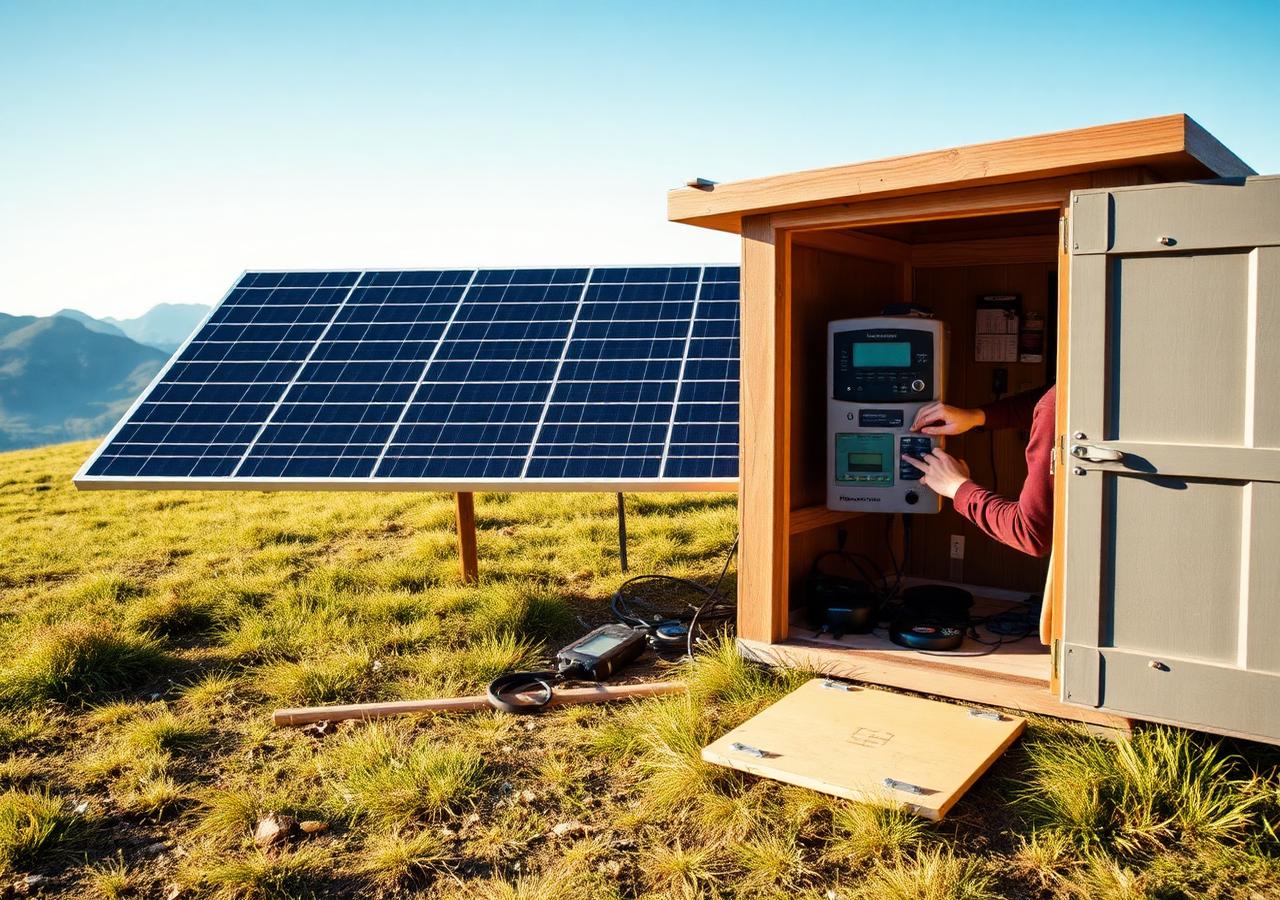
The number on the fridge's nameplate is not what it uses. Our kitchen refrigerator is labeled 720W and averages 1.28 kWh a day — about 53W continuous once you account for the compressor cycling off.
That gap is why people buy a power station that promises 'runs your fridge' and watch it die overnight. Here is how to get a runtime number you can plan a blackout around.
Materials
- Plug-in kWh meter
- Battery or power station with a shunt display
- Extension cord rated for the load
Tools
- Clamp multimeter
- Refrigerator thermometer
- Notebook
Estimated cost: $25 plug-in meter. Difficulty: Beginner.
1.Meter for 72 hours, not one
Plug the fridge through a kWh meter and leave it three days. One day misses a defrost cycle and a hot afternoon. Our four test units logged 0.9, 1.28, 1.6 and 2.4 kWh per day — the 2.4 was a 20-year-old side-by-side.
2.Apply the runtime formula
Runtime hours = (battery kWh × usable depth × inverter efficiency) ÷ (daily kWh ÷ 24). A 1 kWh LiFePO4 station at 90% usable and 88% inverter efficiency carries our 1.28 kWh/day fridge about 14.8 hours.
3.Size for the outage you actually get
For 24 hours of fridge-only runtime, plan on 1.6–2.0 kWh of lithium. For 48 hours, 3.2–4.0 kWh. For three days with a chest freezer added, 6 kWh and a way to recharge — which is where a couple of panels beats a bigger bank on cost.
4.Cut the draw before you buy capacity
Keeping the fridge full, moving it out of direct sun and cleaning the condenser coils dropped one of our test units 18%. A $40 afternoon bought more runtime than another $300 of battery.
5.Test it before you need it
Kill the breaker on a Saturday and run the whole thing on the battery for a day. Every household that does this finds something — usually a surge trip on compressor start or an inverter fan nobody accounted for.
Common questions
- How long will a 1 kWh battery run a refrigerator?
- Roughly 12–16 hours for a modern efficient fridge drawing 1.2–1.4 kWh per day, after inverter and depth-of-discharge losses. An older unit at 2.4 kWh/day gets closer to 7 hours.
- What size battery runs a fridge for 24 hours?
- Plan on 1.6–2.0 kWh of usable lithium capacity for a single efficient refrigerator, or 3 kWh if you are also keeping a chest freezer cold.
- Will a portable power station start my refrigerator?
- Only if its surge rating covers the compressor's inrush, typically 3–6 times running watts. Check surge watts, not just continuous output.
- Does keeping the fridge closed really matter?
- Yes. In our outage tests, a full fridge opened twice a day held safe temperatures roughly 40% longer than one opened every hour.

Written by
Ellis Hartwell
Twelve years building and rebuilding systems on 28 mountainside acres. Everything published here has run on this property or been documented on site with the owners.
Related guides
Energy IndependenceSolar PV
LiFePO4 vs Lead-Acid: What Six Winters Actually Cost Us
LiFePO4 vs Lead-Acid Batteries: Six Winters of Real Data
9 minIntermediate
Energy IndependenceSolar PV
Is Solar Still Worth It in 2026? The Honest Post-Tax-Credit Math
Is Solar Still Worth It in 2026? Honest Post-Tax-Credit Payback Math
14 minBeginner
Energy IndependenceBackup Heat
How to Heat a House Without Electricity (Tested Through Three Ice Storms)
How to Heat a House Without Electricity: Four Tested Backup Heat Options
11 minIntermediate
The newsletter
Get the Homestead Dispatch
One letter every other Sunday: what we built this week on the mountain, what failed, and the numbers behind it. No fluff, no sponsored filler.