Backup Heat
How to Heat a House Without Electricity (Tested Through Three Ice Storms)
When the line goes down in February, your furnace goes with it. Here are the four heat sources we rely on, ranked by what they actually cost to run.
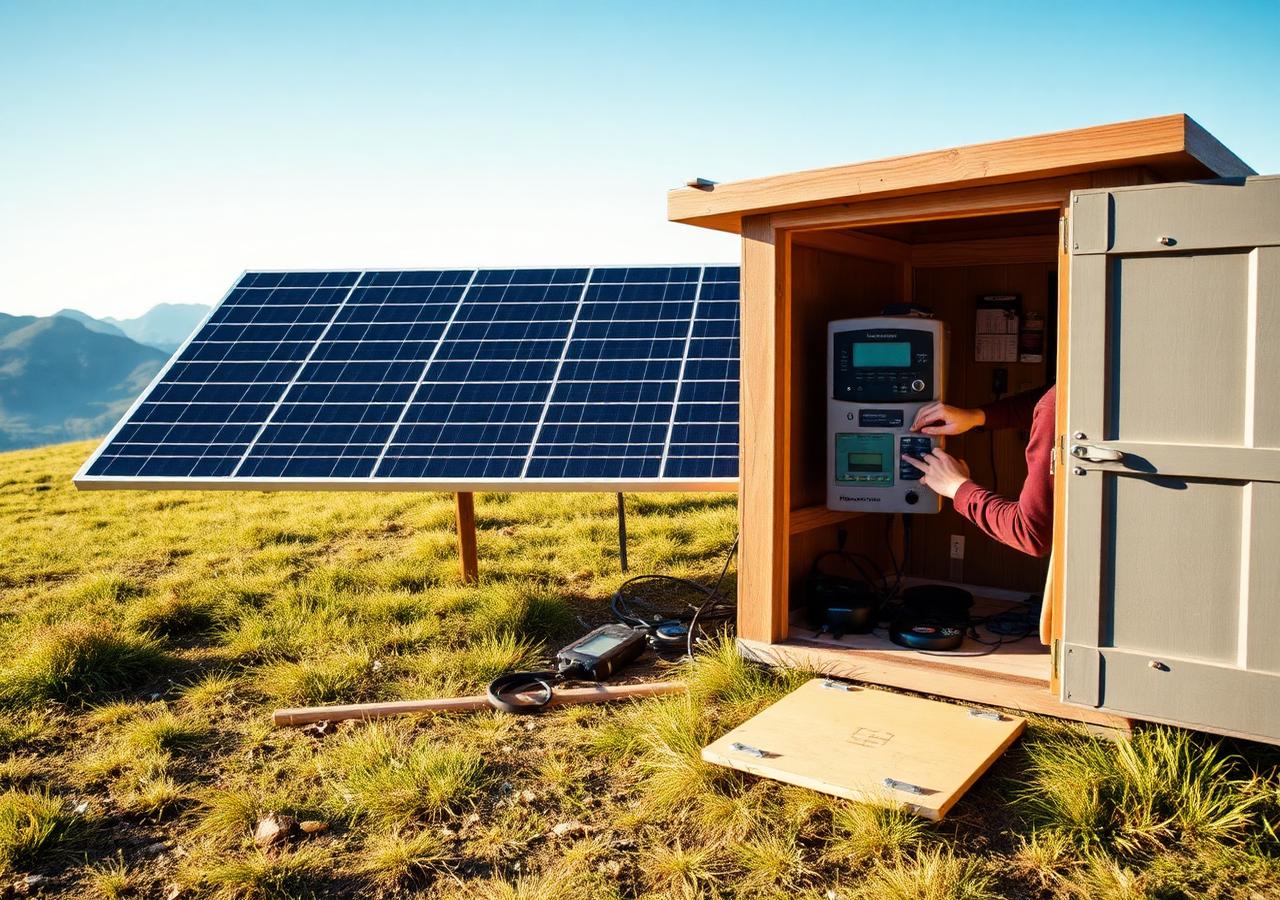
A forced-air furnace is an electric appliance that happens to burn gas. When the grid drops, the blower stops and the house cools at roughly one degree an hour in a modern build, faster in an old one.
We have run this farmhouse through three multi-day ice storms without utility power. Here is what worked, what each option costs per million BTU, and how to set up a warm room you can hold indefinitely.
Materials
- Heat source (wood stove, propane heater or kerosene heater)
- Class A chimney or approved venting
- Carbon monoxide alarms (battery, one per level)
- Thermal curtains or blankets for zoning
Tools
- Stove thermometer
- Infrared thermometer
- Moisture meter for firewood
- Fire extinguisher
Estimated cost: $300–$4,500 depending on the source. Difficulty: Intermediate.
1.Pick one primary source and one backup
Ours is a 2.1 cubic foot cast iron stove burning seasoned oak, backed by a vented propane wall heater. Two independent fuels means a supply problem in one never leaves the house cold.
2.Run the cost per million BTU
At our 2026 local prices: cordwood cut ourselves $6/MMBTU, purchased seasoned cordwood $19, propane $34, kerosene $41, electric resistance $58. That ranking has held every year we've tracked it.
3.Shrink the house before you heat it
Close off bedrooms and hang thermal curtains at hall openings. We heat 700 of 1,900 square feet during an outage and hold 68°F on three or four loads a day instead of eight.
4.Move heat without a blower
A stove fan driven by the stovetop's own heat, plus one small 8W DC fan on the battery, spreads heat two rooms further. Convection does the rest if you leave low openings clear.
5.Prove the setup in advance
Every October we shut the main breaker for a full winter day. That practice run is how we learned the propane heater's pilot needed servicing and where the cold air was actually coming from.
Common questions
- How do I heat my house if the power goes out?
- Use a non-electric heat source — wood stove, vented propane heater or a fireplace insert — and shrink the heated area to one or two rooms. Close doors, hang thermal curtains and heat the space you occupy rather than the whole house.
- What is the cheapest backup heat source?
- Cordwood you cut yourself, at roughly $6 per million BTU in our 2026 accounting, followed by purchased seasoned cordwood at about $19. Propane and kerosene cost roughly twice that, and electric resistance heat is the most expensive of all.
- Can a wood stove heat a whole house?
- A correctly sized stove in a central location heats an open-plan home well and a compartmented one poorly. Expect to heat two or three connected rooms comfortably and to zone off the rest.
- Are propane heaters safe indoors?
- Vented models installed to code are. Unvented models must be attended, used with ventilation and a working carbon monoxide alarm, and shut off before sleeping.
Written by
Ellis Hartwell
Twelve years building and rebuilding systems on 28 mountainside acres. Everything published here has run on this property or been documented on site with the owners.
Related guides
Energy IndependenceBatteries & Backup Power
How Long Can a Battery Run a Refrigerator? Measured, Not Estimated
How Long Can a Battery Run a Refrigerator? Real Metered Runtimes
10 minBeginner
Energy IndependenceSolar Heating
Building a Drain-Back Solar Hot Water Loop for Freezing Climates
Drain-Back Solar Hot Water for Cold Climates: Full Build
14 minAdvanced
Energy IndependenceSolar PV
Is Solar Still Worth It in 2026? The Honest Post-Tax-Credit Math
Is Solar Still Worth It in 2026? Honest Post-Tax-Credit Payback Math
14 minBeginner
The newsletter
Get the Homestead Dispatch
One letter every other Sunday: what we built this week on the mountain, what failed, and the numbers behind it. No fluff, no sponsored filler.