Solar Heating
Building a Drain-Back Solar Hot Water Loop for Freezing Climates
Glycol systems degrade, leak and need servicing. A drain-back loop uses gravity and nothing else to survive −12°F.
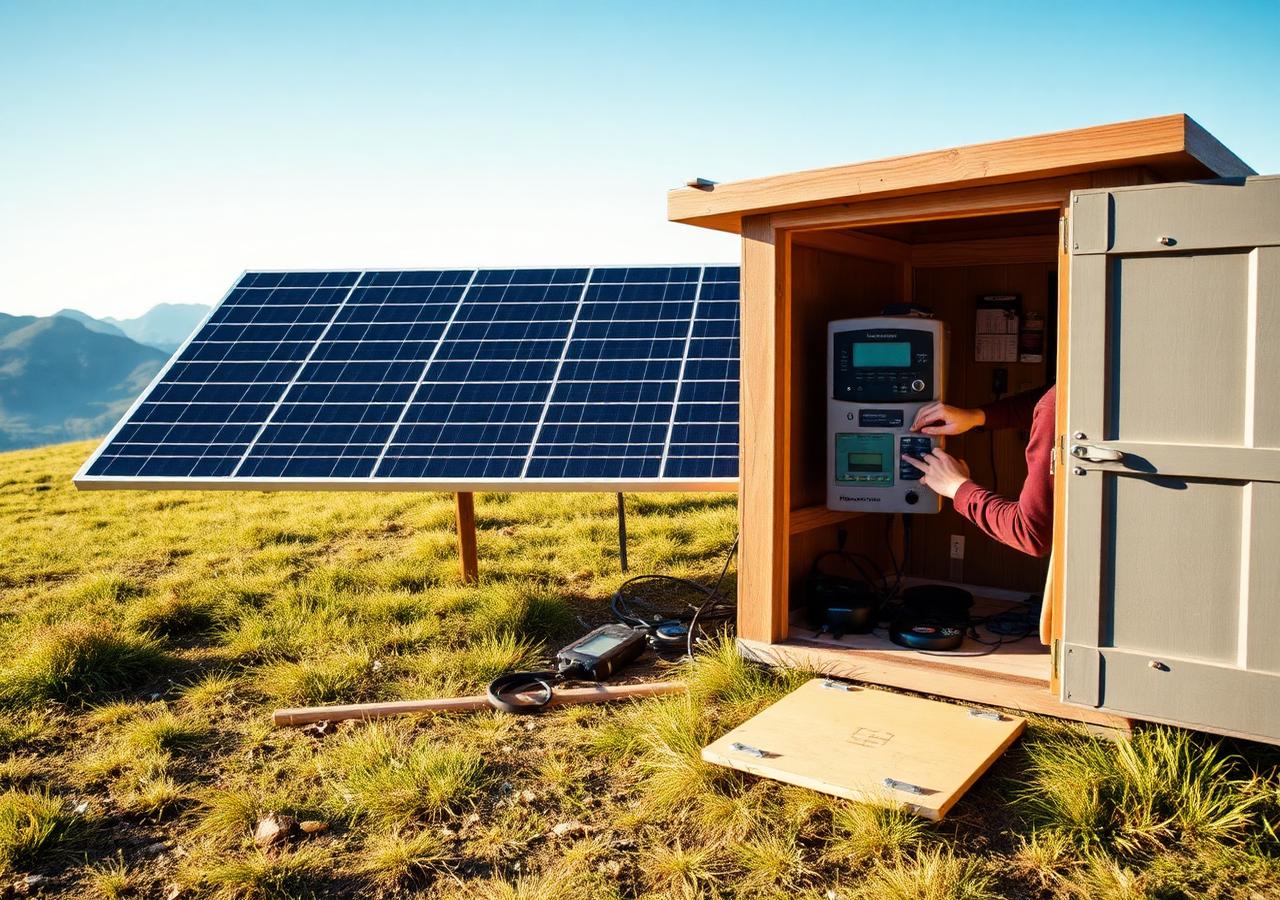
Our first solar hot water system used propylene glycol. It worked for four years, then the fluid cooked during a week we were away, turned acidic and ate a pump seal.
The replacement is a drain-back loop: plain water, a reservoir, and enough slope that every drop returns by gravity the moment the pump stops. It has taken −12°F mornings without a thought.
Materials
- 2 × evacuated tube collectors
- 80 gal dual-coil exchange tank
- Drain-back reservoir
- Copper line and insulation
- Differential controller with two sensors
Tools
- Pipe cutter
- Torch and solder
- Level
- Drill and impact driver
- Roof harness
Estimated cost: $3,200. Difficulty: Advanced.
1.Confirm you can slope every inch of pipe
This is the whole system. Every run between the collectors and the reservoir must fall at least ¼ inch per foot, with no traps or belly sags. If a joist run makes that impossible, build a different system.
2.Mount and plumb the collectors
Rails first, flashing sealed, then collectors. Keep the top of the reservoir below the lowest point of the collector piping. Insulate everything outdoors with UV-rated closed-cell wrap — bare copper on a roof loses more than you think.
3.Set the reservoir and pump station
Size the reservoir to hold the full volume of the collectors and supply piping plus 25%. Ours is 4.5 gallons for 3.1 gallons of loop. The pump only needs to lift water once at start-up, so a 20W DC circulator is plenty.
4.Wire the differential controller
Collector sensor at the outlet, tank sensor low in the tank. Pump on at 12°F difference, off at 4°F. Set a high-limit on the tank at 160°F so summer sun cannot cook the domestic side.
5.Commission and listen
Fill the reservoir, start the pump manually and listen for a clean flow with no gurgle. Kill power and watch the level in the reservoir rise. If the loop empties in under a minute, you have your slope right.
Common questions
- Why choose drain-back over glycol?
- Drain-back has no antifreeze to degrade and no annual fluid service. When the pump stops, the collector empties, so it cannot freeze or stagnate.
- Will solar hot water work in a cold climate?
- Yes, with a properly pitched drain-back loop and evacuated tubes. Expect 60–80% of your hot water in summer and 25–40% in midwinter.
- Do I need a plumber?
- Most of the loop is DIY. Hand the tank tie-in and any pressure-relief work to a licensed plumber if code in your area requires it.

Written by
Ellis Hartwell
Twelve years building and rebuilding systems on 28 mountainside acres. Everything published here has run on this property or been documented on site with the owners.
Related guides
Energy IndependenceSolar PV
Sizing an Off-Grid Solar Array From Real Load Data
How to Size an Off-Grid Solar Array From Real Load Data
12 minIntermediate
Energy IndependenceMicro Hydro
Is Your Creek Worth a Micro Hydro Turbine? Measure These Two Numbers First
Micro Hydro Feasibility: Measuring Head and Flow on Your Creek
10 minIntermediate
Energy IndependenceSolar PV
Is Solar Still Worth It in 2026? The Honest Post-Tax-Credit Math
Is Solar Still Worth It in 2026? Honest Post-Tax-Credit Payback Math
14 minBeginner
The newsletter
Get the Homestead Dispatch
One letter every other Sunday: what we built this week on the mountain, what failed, and the numbers behind it. No fluff, no sponsored filler.