Raised Beds
How to Fill a Raised Bed Cheap (What We Use After 30 Years)
Bagged soil turns a $60 bed into a $300 one. Here is the layered fill we have used on 40-plus beds, with the cost per cubic foot of every layer.
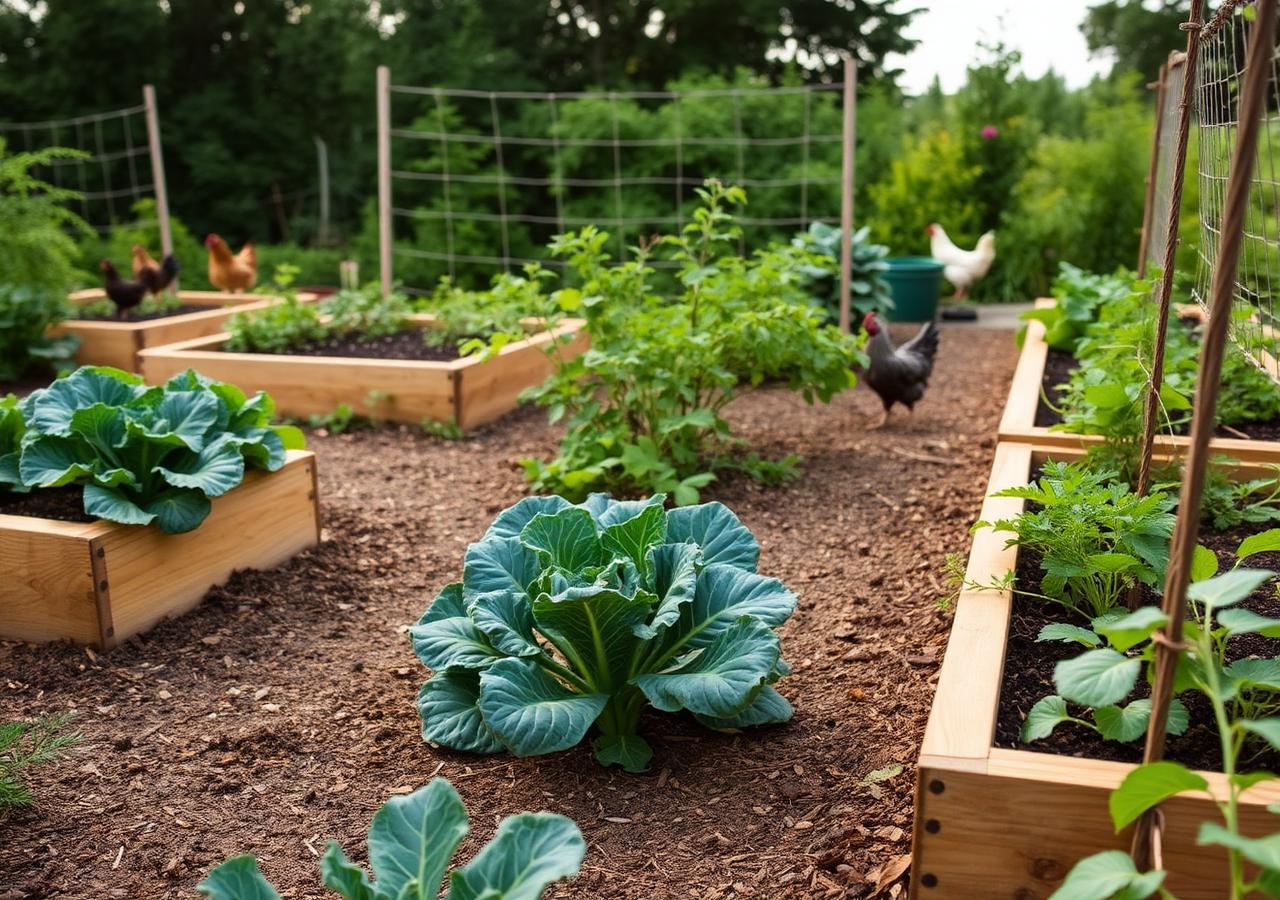
A 4×8 bed 16 inches deep holds about 42 cubic feet. Filled entirely with bagged raised-bed mix that is roughly $290 at 2026 prices. We fill the same bed for about $28 and it grows better in year two than the bagged version does.
The trick is that plants root in the top eight inches. Everything below that only needs to hold water, drain and slowly rot. Here is the layer stack, bottom to top.
Materials
- Untreated branches and small logs (bottom layer)
- Leaves, straw or spoiled hay
- Grass clippings or aged manure
- Finished compost
- Purchased topsoil/compost blend for the top 8 inches
- Cardboard, plain brown
Tools
- Garden fork
- Wheelbarrow
- Shovel
- Loppers
- Hose
Estimated cost: $0.35–$0.90 per cubic foot. Difficulty: Beginner.
1.Line the bottom with cardboard, not landscape fabric
Plain brown cardboard kills the sod, then disappears within a season and lets worms move up. Landscape fabric stays forever and eventually strangles roots.
2.Fill the bottom third with wood
Branches, prunings and small logs — anything but black walnut or treated lumber. This layer sponges water and feeds fungi for a decade. Free, and it removes a third of what you would otherwise buy.
3.Pack leaves and straw into the voids
Walk on it. Wet it down. Air pockets are what cause the dramatic settling people complain about in year one. We lose about 4 inches of height the first season and top up in fall.
4.Add a nitrogen layer
Grass clippings, aged manure or spent coffee grounds, two to three inches. Fresh wood pulls nitrogen as it breaks down; this layer pays that debt so your first-year tomatoes are not pale.
5.Buy only the top eight inches
This is the layer that matters and the only one worth paying for. Bulk topsoil-compost blend delivered runs $38–$55 a cubic yard here — about a sixth the cost of the same volume in bags.
Common questions
- What is the cheapest way to fill a raised bed?
- Layer free organic material — branches, leaves, grass clippings and finished compost — in the bottom two-thirds, and buy bulk topsoil-compost blend only for the top eight inches. That runs roughly $0.35–$0.90 per cubic foot versus about $7 for bagged mix.
- Can I put wood in the bottom of a raised bed?
- Yes. Untreated branches and logs hold moisture and break down into fertile material over years. Avoid black walnut and any treated or painted lumber, and add a nitrogen layer above the wood in the first season.
- How much soil does a 4x8 raised bed need?
- About 42 cubic feet at 16 inches deep, or 1.6 cubic yards. Using the layered method you only purchase the top eight inches — roughly 21 cubic feet.
- Why did my raised bed sink?
- Air pockets in the coarse bottom layers compress as they decompose. Expect three to five inches of settling the first year and plan to top up with compost each autumn.

Written by
Ellis Hartwell
Twelve years building and rebuilding systems on 28 mountainside acres. Everything published here has run on this property or been documented on site with the owners.
Related guides
Food SovereigntyRaised Beds
Building No-Dig Raised Beds That Last a Decade
How to Build No-Dig Raised Beds That Last 10 Years
11 minBeginner
Food SovereigntyBackyard Chickens
How Many Chickens for a Family of 4 — Real Egg Math
How Many Chickens for a Family of 4? Honest Egg and Cost Math
10 minBeginner
Food SovereigntyFood Forests
Designing a Seven-Layer Food Forest Guild for a Small Lot
Seven-Layer Food Forest Guild Design for Small Lots
13 minIntermediate
The newsletter
Get the Homestead Dispatch
One letter every other Sunday: what we built this week on the mountain, what failed, and the numbers behind it. No fluff, no sponsored filler.